How to Create Your Own Weekly Workout Plan
Creating a consistent workout schedule is one of the best ways to stay on track with your fitness goals. Whether you’re trying to lose weight, build muscle, improve flexibility, or simply stay active, a customized weekly workout plan can give you the structure and motivation you need.
In this blog, you’ll learn how to create a balanced, beginner-friendly weekly workout plan that suits your lifestyle and fitness level. Plus, we’ll include a free template to get you started.
Why You Need a Weekly Workout Plan

A weekly workout plan helps you:
- Stay consistent and motivated
- Target all major muscle groups
- Prevent overtraining and injuries
- Track your progress
- Balance cardio, strength, and flexibility training
Rather than randomly picking workouts each day, a structured plan brings focus and results.
Related: Top 5 Mobile Health Apps
Step 1: Set Your Fitness Goal

What do you want to achieve?
- Weight loss
- Muscle gain
- Toning
- Endurance
- General health
Your goal will determine the type of workouts and their intensity. For example:
- Weight loss → More cardio and full-body strength training
- Muscle gain → Focused resistance training with progressive overload
- Flexibility → Yoga and mobility exercises
Step 2: Choose Your Workout Types

Here’s a mix of workout types to include in your weekly workout plan:
- Cardio: walking, running, cycling, dancing (Couch to 5K App)
- Strength Training: bodyweight exercises, dumbbells, resistance bands (Fitness Blender)
- HIIT: short bursts of intense exercise with rest (Darebee HIIT Programs)
- Flexibility/Mobility: yoga, stretching, foam rolling (Yoga with Adriene on YouTube)
- Active Recovery: light walks, yoga, or rest
Step 3: Decide on Workout Frequency

Be realistic. If you’re just starting out, 3–4 days per week is great. Here’s a sample guide:
- Beginner: 3–4 days/week
- Intermediate: 4–5 days/week
- Advanced: 5–6 days/week
Don’t forget to include at least one rest day to let your body recover.
Step 4: Create Your Weekly Workout Plan

Here’s a simple, beginner-friendly template:
| Day | Workout Type | Example |
|---|---|---|
| Monday | Full-Body Strength | Bodyweight + Dumbbell Circuit |
| Tuesday | Cardio | Brisk walk or cycling |
| Wednesday | HIIT | 20-min high-intensity circuit |
| Thursday | Rest or Stretching | Yoga or foam rolling |
| Friday | Lower Body Strength | Squats, lunges, glute bridges |
| Saturday | Cardio or Dance | Zumba or jog |
| Sunday | Rest or Mobility | Light yoga or stretching |
This plan targets different muscle groups, blends in cardio, and gives your body time to recover.
Step 5: Track and Adjust
Keep a journal or use a fitness app like MyFitnessPal or FitOn to log your workouts, how you felt, and any changes in strength or endurance. Adjust your weekly workout plan every 4–6 weeks to keep progressing and avoid plateaus.
Tips for Success
- Warm up and cool down before and after workouts
- Stay hydrated
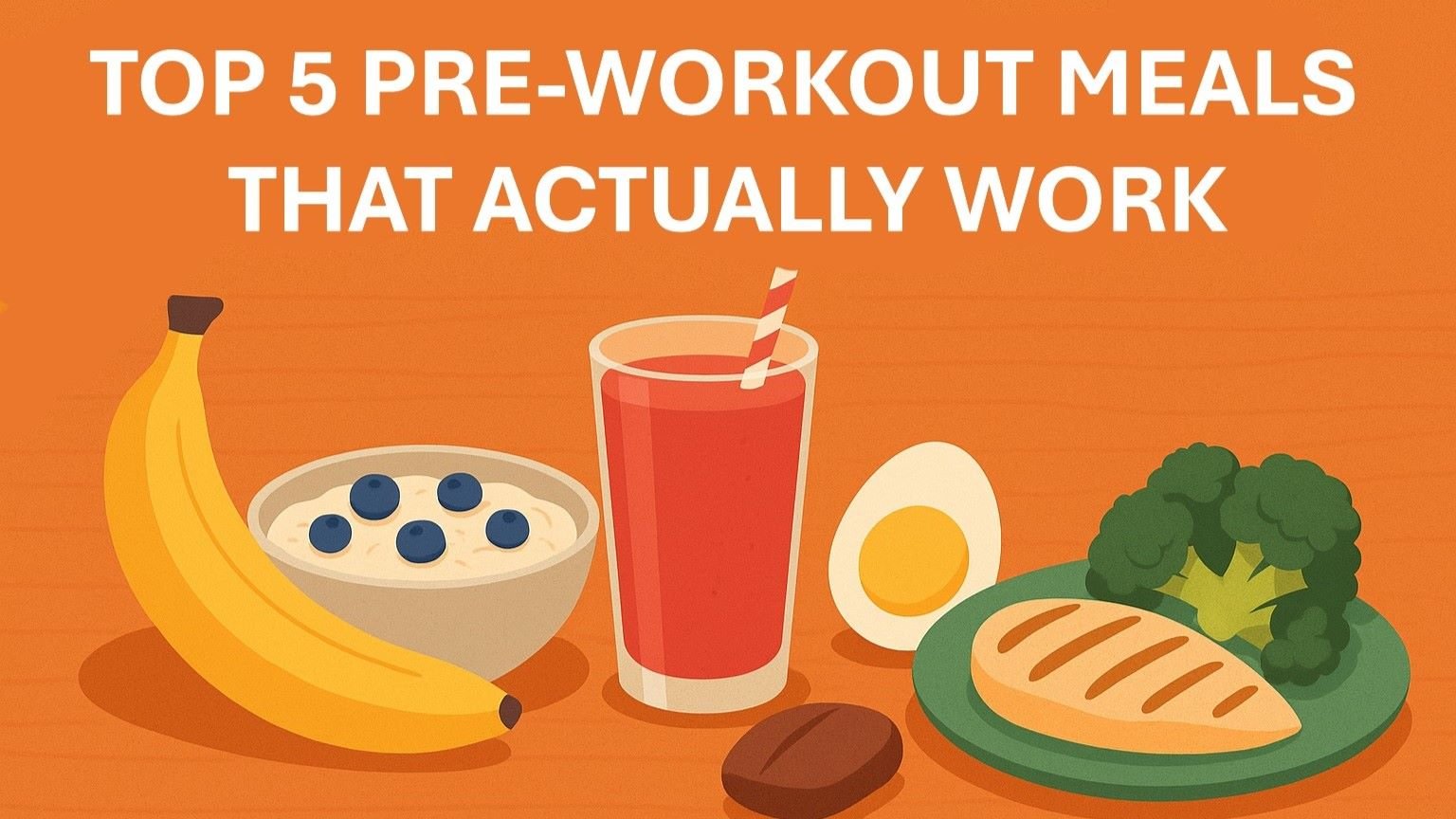
- Fuel your body with healthy meals (Check out this blog on Pre-Workout Foods)
- Start slow and build intensity over time
- Stay consistent but flexible

Final Thoughts
Having a personalized weekly workout plan brings clarity and commitment to your fitness routine. It helps you stay organized, motivated, and aligned with your goals.
Use the template above to create your plan, and don’t be afraid to modify it based on your energy levels, schedule, or preferences. With time and consistency, your weekly workout plan will become a lifestyle habit — one that delivers real results.
By combining cardio, strength, and flexibility into a balanced plan, you’ll improve your overall fitness and health over time. So pick your goals, follow a structure, and start your fitness journey today.
Frequently Asked Questions (FAQs)
Q1: How many days a week should I work out as a beginner?
A: Start with 3–4 days per week and gradually increase as your body adjusts.
Q2: Can I follow this weekly workout plan at home without equipment?
A: Yes! Most exercises can be modified using just your bodyweight or household items.
Q3: How do I avoid injuries while following a workout plan?
A: Warm up properly, maintain good form, listen to your body, and don’t skip rest days.
Q4: Should I work out every day to see results?
A: Not necessarily. Rest days are crucial for muscle recovery and overall progress.
Q5: Can I lose weight with this weekly workout plan?
A: Yes, especially when combined with a balanced diet and consistent exercise routine.
Q6: What apps or tools can help me stick to a weekly workout plan?
A: Apps like FitOn, MyFitnessPal, and YouTube channels like Fitness Blender and Yoga with Adriene are excellent tools.



Post Comment