How AI In Healthcare Transforming Disease Diagnosis and Treatment
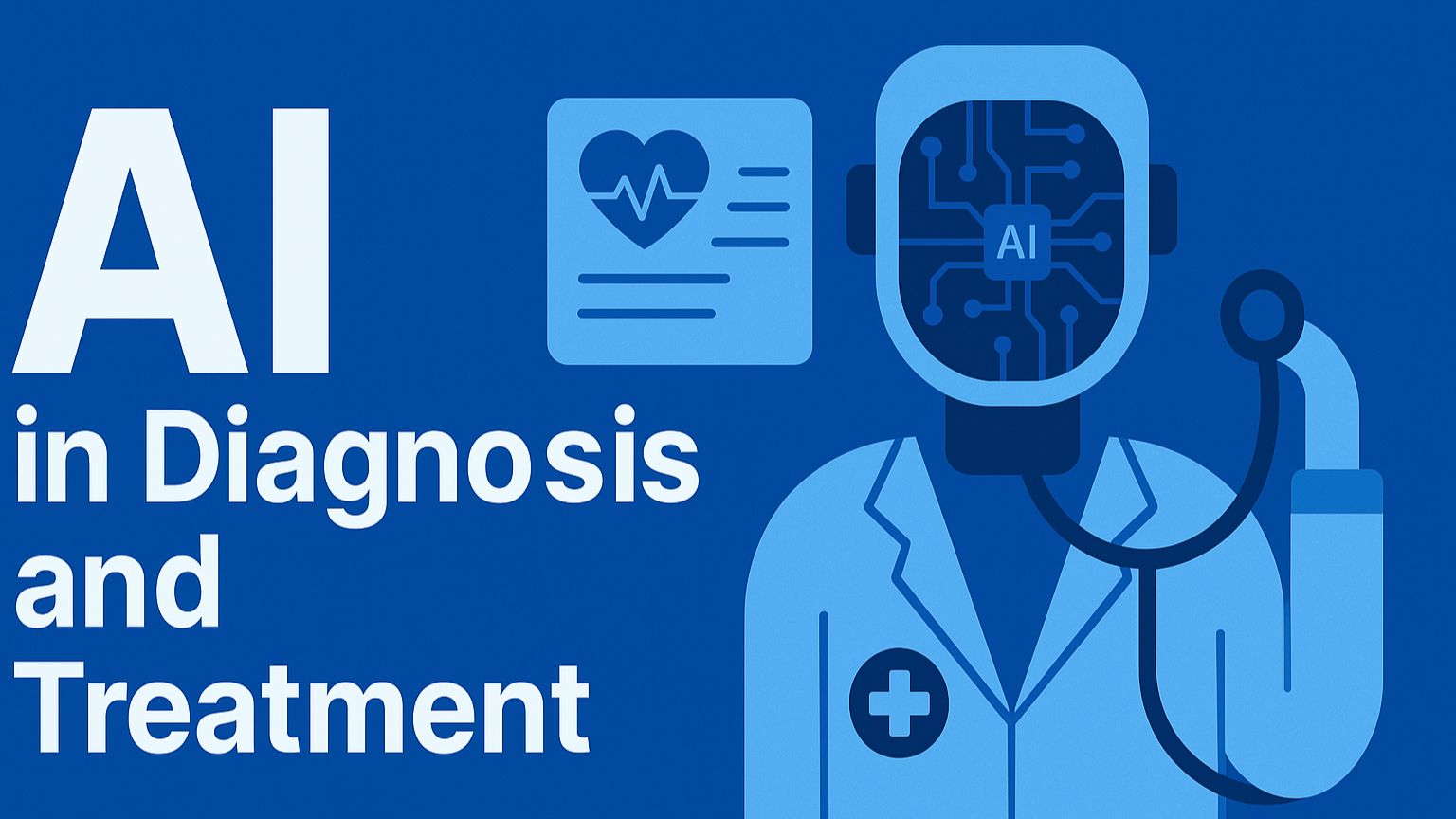
Artificial Intelligence (AI) is rapidly reshaping the landscape of modern healthcare. From detecting diseases earlier to recommending personalized treatments, AI has become a powerful ally for doctors, researchers, and patients. In this blog, we’ll explore how AI is transforming disease diagnosis and treatment, the technologies behind it, real-world examples, helpful tools, and the ethical implications of this shift.
Table of Contents
What Is AI in Healthcare?
AI in healthcare means using smart computer systems like machine learning, deep learning, and natural language processing (NLP) to analyze medical data and help doctors make better decisions. These systems learn from large sets of data, find patterns, and give fast and accurate results.
AI is already being used in hospitals, clinics, and research labs around the world. From chatbots that answer health questions to systems that detect cancer in images, the role of AI in health is growing every day.

How AI Is Changing Disease Diagnosis
1. Early Detection with Imaging
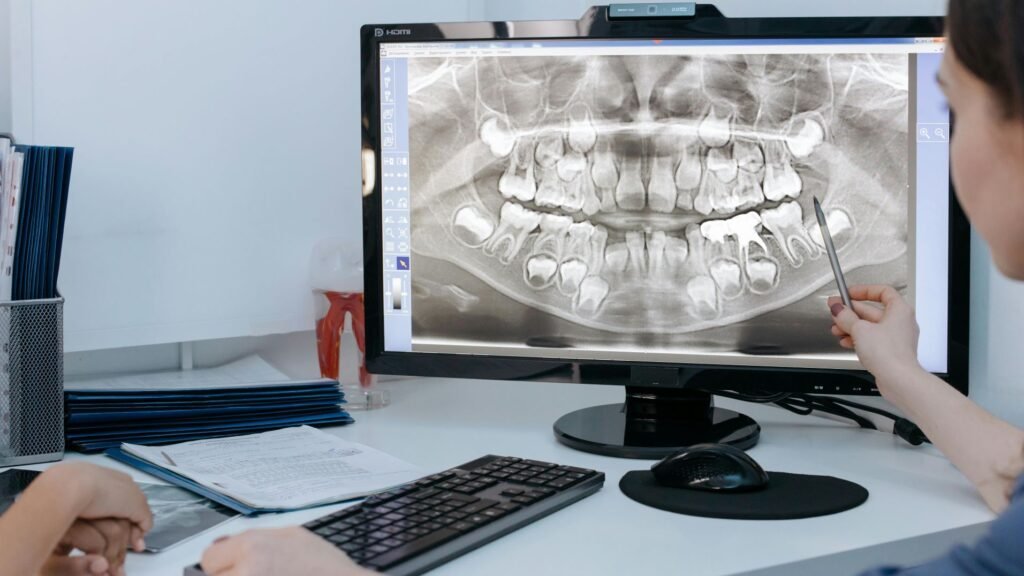
AI tools can scan and analyze medical images like X-rays, MRIs, and CT scans to find signs of diseases, including:
- Breast and lung cancer
- Brain tumors
- Tuberculosis
- Heart diseases
For example, Google’s AI model for breast cancer detection has performed better than experienced radiologists in early diagnosis.
2. Predictive Analytics for High-Risk Patients
AI can study a person’s health history, genetics, and lifestyle to predict who might be at risk of serious health problems. This helps doctors take early steps to avoid complications.
3. Smart Symptom Checkers
AI chatbots and virtual assistants ask questions about your symptoms and give advice or suggest seeing a doctor. They save time and guide people in the right direction.
4. Lab Test Interpretation
Some AI platforms help analyze lab test reports, flagging abnormal values and suggesting follow-up steps. This helps busy clinicians focus on what matters most.
AI in Disease Treatment and Management
1. Personalized Treatment Plans
AI can suggest treatments based on a person’s medical history and genetic data. This is especially useful in cancer care and for rare diseases.
2. Faster Drug Discovery
AI speeds up the process of finding new medicines. Tools like AlphaFold by DeepMind have made big progress in understanding how proteins behave, which helps in creating better drugs.
3. Monitoring Patients at Home
AI-powered wearables track health signs like heart rate, blood sugar, and oxygen levels. They alert doctors if something unusual happens.
4. AI in Surgery and Physical Therapy
Robots guided by AI assist doctors during surgery and help patients recover faster by customizing physical therapy exercises.
5. Mental Health Support
AI chatbots like Woebot or Wysa offer mental health coaching and support. They provide a safe and accessible space for users to talk about stress, anxiety, or depression.
Real-World Examples of AI in Action
- PathAI: Helps pathologists diagnose diseases more accurately.
- SkinVision: An app that checks moles for skin cancer using your phone camera. Try SkinVision here
- IBM Watson Health: Supports cancer treatment decisions by analyzing medical data.
- Aidoc: Offers tools for radiologists to spot issues in scans quickly.
- Butterfly iQ: A pocket-sized ultrasound device powered by AI, making imaging more accessible.
- Tempus: Analyzes clinical and molecular data to help doctors personalize cancer care.
Try These Helpful AI Tools for Health
Here are some free or easy-to-access AI tools that anyone can explore:
- Healthily: A smart symptom checker and health guide.
- Ada Health: An AI-powered tool that helps you understand what might be causing your symptoms.
- SkinVision: Use your phone to check suspicious moles or skin spots.
- MyCancerGenome: Get personalized cancer treatment information.
- Wysa: A mental health chatbot for anxiety, stress, and depression.
- Youper: AI mental health support powered by cognitive behavioral therapy.
These tools don’t replace a doctor but can help you learn more about your health and make better decisions.
Challenges and Ethical Concerns
- Privacy: AI systems use sensitive health data, so keeping it safe is a big priority.
- Bias in AI: If AI is trained on limited or biased data, it might give wrong or unfair results.
- Trust and Transparency: Sometimes, it’s not clear how AI makes its decisions. This can make it hard to trust.
- Responsibility: If AI makes a mistake, it’s difficult to say who is responsible — the company, the doctor, or someone else?
- Access Gaps: Not all regions or hospitals can afford or implement AI tools equally, leading to inequalities.
The Future of AI in Healthcare
Looking ahead, AI will likely help with:
- Instant diagnosis tools in rural clinics
- Tracking and stopping disease outbreaks
- Helping with video doctor visits (telemedicine)
- Fully or partially automated surgeries
- Personalized health education based on lifestyle and risk
AI may also support elderly care by helping monitor vital signs and offering companionship through smart devices.
Still, human doctors are needed for empathy, complex thinking, and ethical decisions.
Final Opinion

AI is opening a new chapter in healthcare. It helps doctors diagnose earlier, treats diseases in smarter ways, and brings medical support to more people. It makes healthcare faster, more personal, and often more accurate.
Try out some of the tools mentioned above and see how AI can support your health journey.
Also, don’t miss our related blog on 7 Powerful Sleep Benefits for Mental Health
to see the benefits of a good and proper sleep for healthier life.
Frequently Asked Questions (FAQs)
Q1: Can AI replace doctors?
No. AI helps doctors but cannot replace their experience and care.
Q2: How accurate is AI in diagnosis?
AI is very good but not perfect. It works best when used along with expert doctors.
Q3: What diseases can AI detect now?
AI in Healthcare can help diagnose cancer, diabetes, Alzheimer’s, heart disease, and more.
Q4: Are these AI tools safe to use?
Many AI tools are tested and approved, but users should always follow up with a healthcare provider.
Q5: Can I trust online AI tools for medical advice?
They are good for guidance but should not replace professional medical advice.

Post Comment