Vaping vs Smoking: Which Is Worse for Your Health?
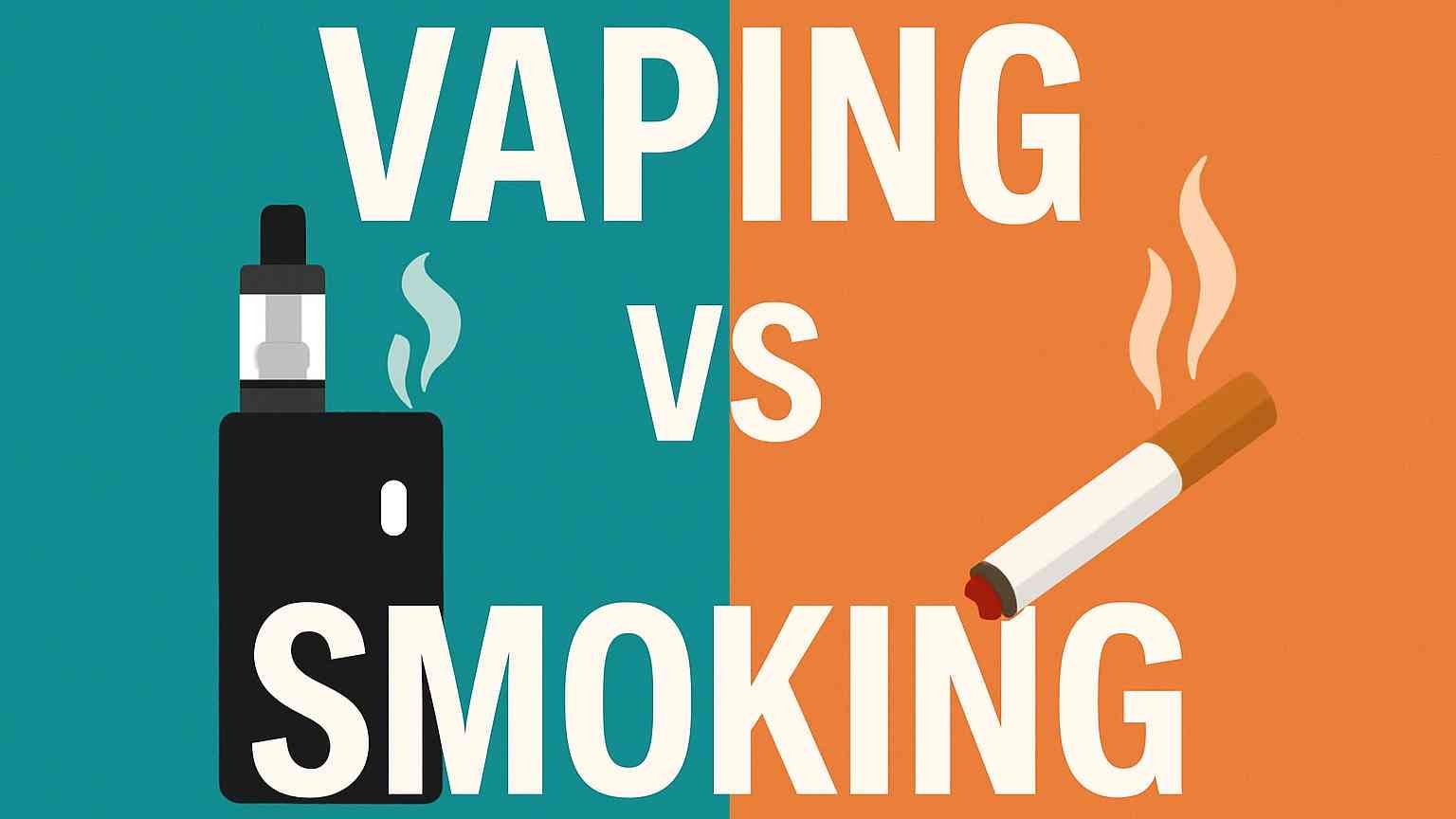
Vaping vs smoking is a major health debate in the modern world, especially as vaping continues to rise in popularity among youth and former smokers. While both methods deliver nicotine, their health effects, long-term consequences, and societal impact differ significantly. Understanding the key distinctions between vaping vs smoking can help individuals make informed decisions and possibly quit both habits altogether.
In this comprehensive blog, we explore the science, risks, and facts behind vaping vs smoking, so you can fully understand which one is more harmful — or if either is truly safe.
Table of Contents
What Is Smoking?

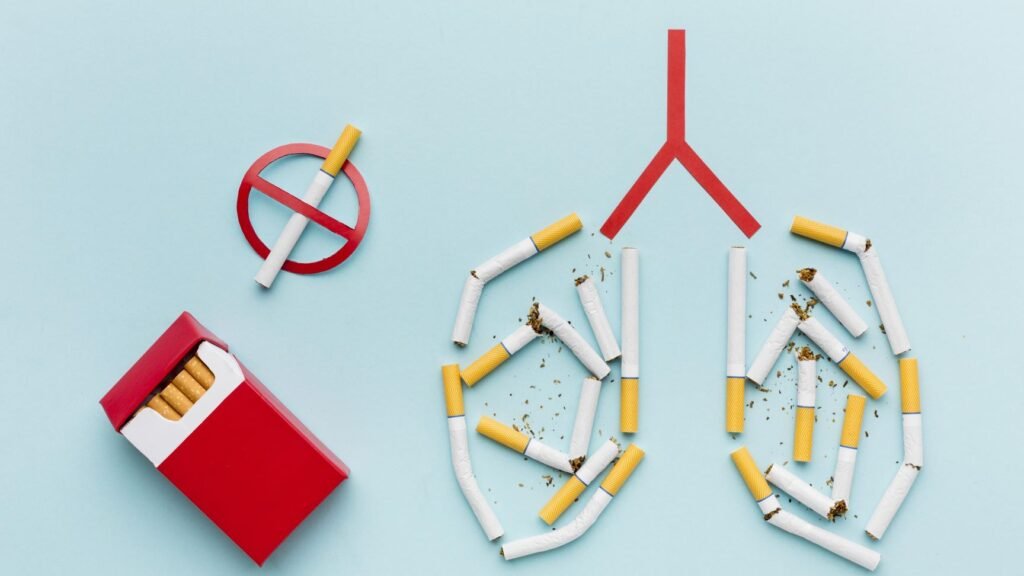
Smoking refers to the act of burning tobacco and inhaling its smoke. This smoke contains over 7,000 harmful chemicals, including tar, nicotine, formaldehyde, and arsenic. These toxic substances enter the lungs, bloodstream, and organs, leading to long-term damage.
To explore global data and regulations related to tobacco, refer to the World Health Organization’s tobacco health topic.
Common Health Effects of Smoking:
- Lung cancer and chronic bronchitis
- Heart disease and stroke
- Reduced oxygen supply due to carbon monoxide
- Poor immune response and wound healing
What Is Vaping?
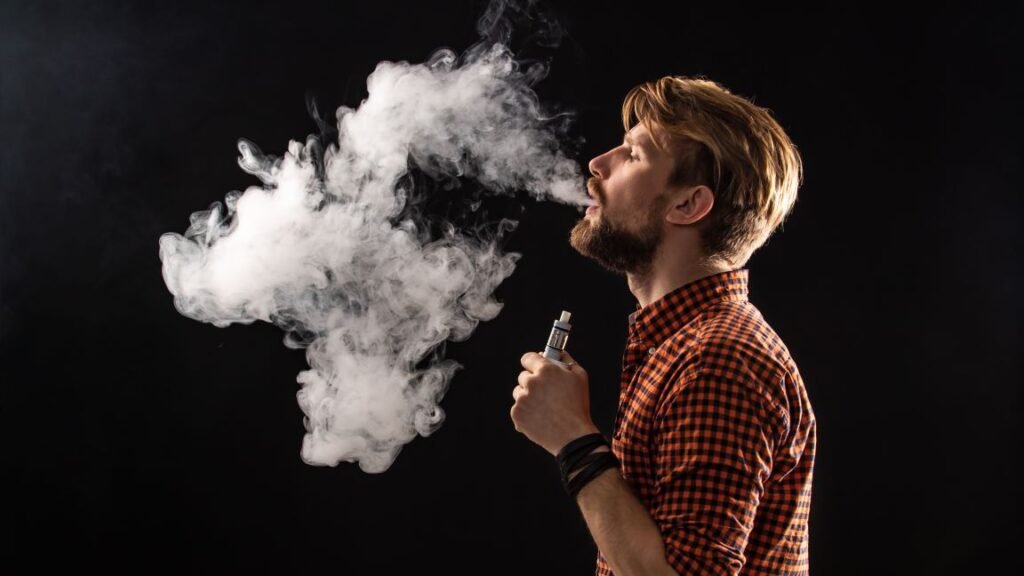
Vaping involves inhaling vaporized liquid using a battery-operated device such as a vape pen or pod system. The e-liquid contains nicotine, propylene glycol, glycerin, and flavorings. Vaping does not involve combustion, but the vapor still contains harmful chemicals.
For more facts about vaping products and their risks, visit the CDC’s E-Cigarette Basics.
Common Health Effects of Vaping:
- Lung inflammation and airway irritation
- EVALI (e-cigarette or vaping-associated lung injury)
- Elevated heart rate and blood pressure
- Addiction due to high nicotine concentrations
Key Differences Between Vaping vs Smoking
| Feature | Smoking | Vaping |
|---|---|---|
| Delivery Method | Burns tobacco | Heats e-liquid |
| Substance Inhaled | Smoke (thousands of chemicals) | Vapor (nicotine, flavorings, etc.) |
| Smell | Pungent and lingering | Often fruity or mild scent |
| Addiction Potential | High | High |
| Long-Term Risk | Proven cancer and heart disease | Under research, but still harmful |
Health Risks of Vaping vs Smoking
If you’re seeking digital wellness resources alongside managing smoking or vaping withdrawal, consider using tools from Top 5 Mobile Health Apps to Boost Your Wellness.
Lung Health
- Smoking: Causes emphysema, chronic bronchitis, and lung cancer.
- Vaping: Can lead to asthma, lung irritation, and EVALI.
Heart Health
- Smoking: Reduces oxygen supply and increases heart disease risk.
- Vaping: Can raise blood pressure and heart rate.
Cancer Risk
- Smoking: Contains over 70 known carcinogens.
- Vaping: Contains fewer carcinogens, but formaldehyde and acetaldehyde may still be present.
Mental and Brain Health
- Smoking and Vaping: Both impair adolescent brain development and increase anxiety, mood swings, and addiction susceptibility.
Youth and Teen Concerns
Vaping vs smoking is a hot topic in schools and households, with youth vaping rapidly increasing. Teen brains are more vulnerable to nicotine, which affects memory, concentration, and learning ability. Flavored vapes attract young users and often lead to nicotine addiction.
In fact, studies from the CDC show that over 2 million U.S. middle and high school students reported current e-cigarette use in 2023.
Environmental Impact
- Cigarettes: The most littered item globally; they pollute soil and water and contain non-biodegradable filters.
- Vapes: Electronic waste from disposable devices, batteries, and plastic pods contributes to pollution.
Addiction and Quitting

If you’re ready to quit either smoking or vaping, take a look at our post on 7 Powerful Sleep Benefits for Mental Health, which includes strategies to support better rest while managing withdrawal symptoms.
Why Both Are Addictive:
Nicotine is a highly addictive substance found in both cigarettes and most e-liquids. It leads to physical dependence and withdrawal symptoms.
Quitting Smoking or Vaping:
- Nicotine Replacement Therapy (NRT): Patches, gums, lozenges
- Apps: QuitGenius, Kwit
- Counseling and Quitlines: Behavioral therapy and peer support
- Text-based Help: This Is Quitting by Truth Initiative
While vaping is sometimes marketed as a smoking cessation tool, it can become a new addiction and is not approved by the FDA for quitting.
FAQs: Vaping vs Smoking
1. Is vaping better than smoking?
Vaping may expose you to fewer toxins than smoking, but it is not safe. It still delivers harmful chemicals and highly addictive nicotine.
2. Can vaping help quit smoking?
Some people use vaping as a transition to quit, but many end up addicted to vaping. Safer, evidence-based methods like NRT or counseling are recommended.
3. Is secondhand vape exposure dangerous?
Yes. Vaping releases aerosols with nicotine and other toxins, though less harmful than cigarette smoke, it still poses a health risk.
4. Are nicotine-free vapes safe?
Even without nicotine, vape liquids can contain harmful chemicals like diacetyl, which is linked to lung disease.
5. How does vaping affect the brain?
Nicotine in vapes interferes with brain development in adolescents, affecting memory, impulse control, and mood.

Post Comment