Top 5 Mobile Health Apps Everyone Should Know
In an age where smartphones rarely leave our hands, mobile health apps have become powerful tools for improving and managing our well-being. These apps help us track fitness, monitor chronic conditions, access mental health support, and even connect with doctors — all from the palm of our hands. In this blog, we’ll explore five of the most impactful mobile health apps that are reshaping how we take care of our health in the digital age.
Table of Contents
Why Mobile Health Apps Matter
The rise of mobile health apps — also known as mHealth apps — has democratized access to healthcare tools. From fitness tracking to AI-driven symptom checkers, these apps allow people to take charge of their health, often in real time.
According to a report by Grand View Research, the global mHealth market is projected to reach $300 billion by 2030. The rise is fueled by increased smartphone use, better internet access, and growing health awareness. Mobile health apps are now used by millions worldwide to manage their nutrition, mental health, reproductive health, and chronic diseases.
The beauty of these tools lies in their convenience and accessibility. Most mobile health apps are free or low-cost and require only a smartphone and internet connection. They’re transforming healthcare from something reactive — visiting the doctor when you’re sick — to something proactive and preventive.
What Makes a Good Mobile Health App?
A good mobile health app should:
- Be user-friendly and intuitive
- Offer accurate, reliable data
- Protect user privacy and data security
- Provide value through personalization and integration
- Be available on both iOS and Android platforms
With so many mobile health apps on the market, we’ve selected five of the most useful and trusted options based on their functionality, popularity, and impact.
1. MyFitnessPal – Nutrition & Calorie Tracker

Category: Nutrition & Fitness
Platform: iOS, Android
Focus: Diet tracking, calorie counting, fitness logging
App Links: App Store | Google Play
MyFitnessPal is one of the most popular mobile health apps for managing nutrition and weight. With a massive food database and barcode scanning functionality, users can log meals, track calories, and set dietary goals. It syncs with wearables like Fitbit and Apple Watch, making it a comprehensive tool for holistic health tracking.
Key Features:
- Tracks calories, macronutrients, and water intake
- Syncs with fitness devices
- Offers meal suggestions and workout plans
Whether you’re trying to lose weight, maintain your current shape, or gain muscle, MyFitnessPal is one of the best mobile health apps for nutritional monitoring.
2. Headspace – Mindfulness and Meditation

Category: Mental Health
Platform: iOS, Android
Focus: Meditation, sleep, stress relief
App Links: App Store | Google Play
Headspace brings mindfulness and meditation to your fingertips. Whether you’re struggling with anxiety, sleep, or focus, Headspace offers guided meditations and relaxing music designed by mindfulness experts.
Key Features:
- Hundreds of guided meditations
- Sleepcasts and relaxing music
- Courses for stress, productivity, and relationships
With mental health awareness on the rise, mobile health apps like Headspace make professional-grade tools accessible to anyone with a smartphone.
3. Ada – AI-Powered Symptom Checker

Category: Digital Health Assistant
Platform: iOS, Android, Web
Focus: Symptom checking, condition explanation, health insights
App Links: App Store | Google Play
Ada is an AI-powered mobile health app that asks users smart medical questions and provides possible explanations for their symptoms. Designed by doctors and scientists, it helps users understand their health before they even step into a clinic.
Key Features:
- Smart symptom checker
- Generates a personalized health report
- Provides information on thousands of conditions
Ada is perfect for those who want instant insights and guidance. As far as mobile health apps go, it’s one of the best for early detection and self-education.
4. Apple Health – Integrated Wellness Dashboard

Category: Health Monitoring
Platform: iOS only
Focus: Step tracking, sleep, heart rate, health records
App Link: App Store
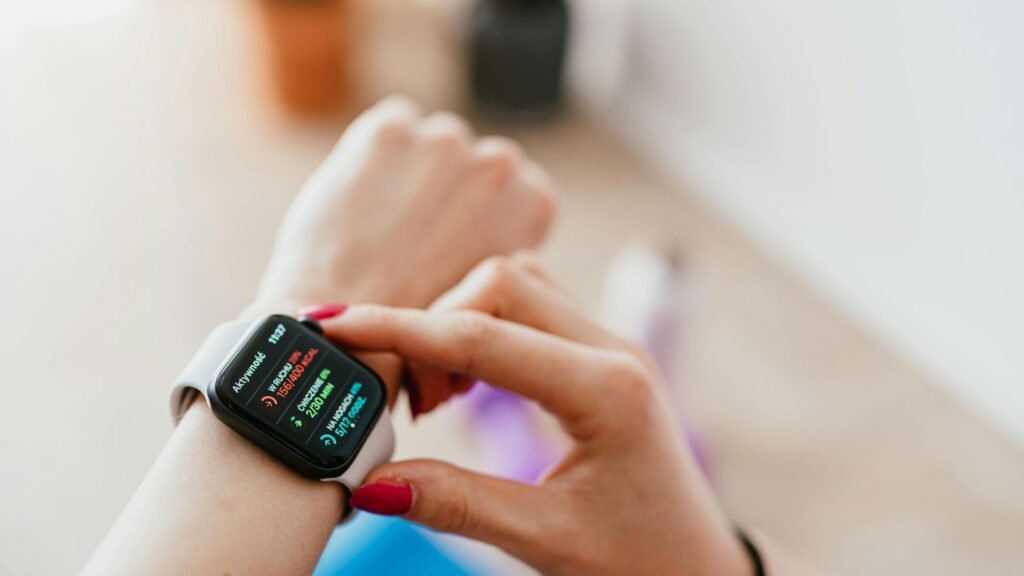
Apple Health aggregates data from multiple mobile health apps and devices into one clean dashboard. It tracks steps, sleep, reproductive health, heart rate, and integrates with medical records from partnered hospitals and clinics.
Key Features:
- Comprehensive health metrics in one place
- Syncs with third-party apps and Apple devices
- Offers health trend summaries
If you’re an iPhone user, Apple Health is the default and most integrated mobile health app on your device.
5. Flo – Women’s Health & Period Tracker
Category: Reproductive Health
Platform: iOS, Android
Focus: Period tracking, ovulation, pregnancy
App Links: App Store | Google Play
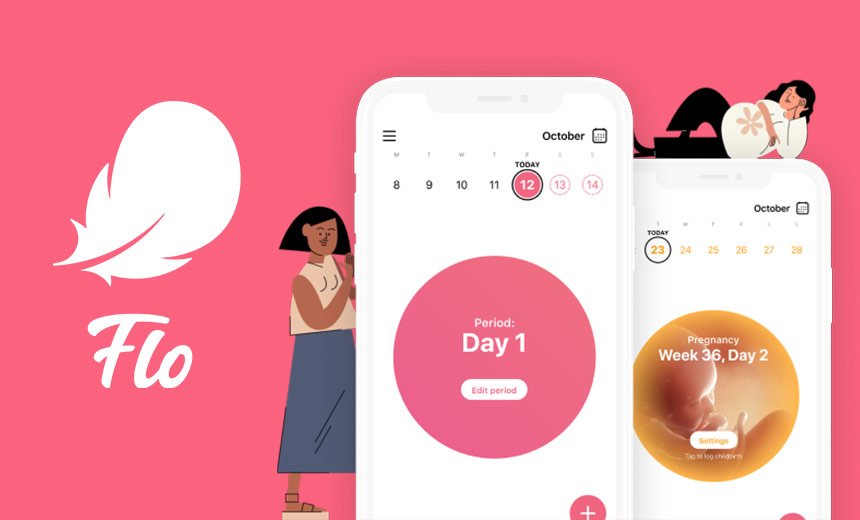
Flo is one of the leading mobile health apps dedicated to women’s health. It tracks menstrual cycles, ovulation, and symptoms. Using AI, Flo provides personalized health insights and predictive tracking.
Key Features:
- Period and ovulation tracking
- Pregnancy mode with fetal development info
- In-app health articles and community discussions
Mobile health apps like Flo are helping women take control of their reproductive health with convenience and accuracy.
How to Choose the Right Mobile Health App
With so many mobile health apps available, here are a few tips to help you choose:
- Read reviews and ratings
- Ensure it’s updated regularly
- Check if it’s approved or developed with medical professionals
- Make sure it’s compatible with your devices
- Pay attention to data privacy and security policies
Choosing the right mobile health app can greatly enhance your wellness journey. Don’t be afraid to try a few before settling on what works best for you.
Final Thoughts
Summary
Mobile health apps are transforming how we manage our physical and mental health. They make expert-level tools and insights available to anyone with a phone. From tracking nutrition and fitness to monitoring your heart rate or mental wellness, mobile health apps are redefining healthcare one download at a time.
As these apps continue to evolve with AI, telehealth integrations, and wearable tech compatibility, the possibilities for personalized and preventive healthcare are endless. If you’re not already using one, try downloading a mobile health app today and take your first step toward smarter, tech-powered wellness.
Do checkout our Latest Blogs on Different Trends in Medical Technology.
Frequently Asked Questions (FAQs)
Q1: Are mobile health apps safe to use?
A: Yes, most reputable mobile health apps follow strict privacy standards and encrypt user data. Always choose apps with strong reviews and clear privacy policies.
Q2: Do mobile health apps replace medical professionals?
A: No. These apps are designed to support and supplement your health journey, not replace doctors or professional medical advice. Always consult a healthcare provider for serious or persistent issues.
Q3: Are there free mobile health apps available?
A: Yes, many mobile health apps like MyFitnessPal and Apple Health offer free versions with optional premium upgrades for more features.
Q4: Can I trust AI-driven health apps like Ada?
A: Apps like Ada are developed by medical experts and use evidence-based algorithms, but their results should be used for informational purposes and not as a definitive diagnosis.
Q5: Which mobile health app is best for mental health?
A: Headspace is a leading app for mindfulness and stress management. It offers guided meditations, sleep sounds, and courses focused on emotional well-being.
Q6: How do I choose the best mobile health app for my needs?
A: Consider your goals (e.g., fitness, mental health, symptom tracking), device compatibility, user reviews, and features offered. Testing a few apps can help you find the right fit.

Post Comment