7 Powerful Sleep Benefits for Mental Health
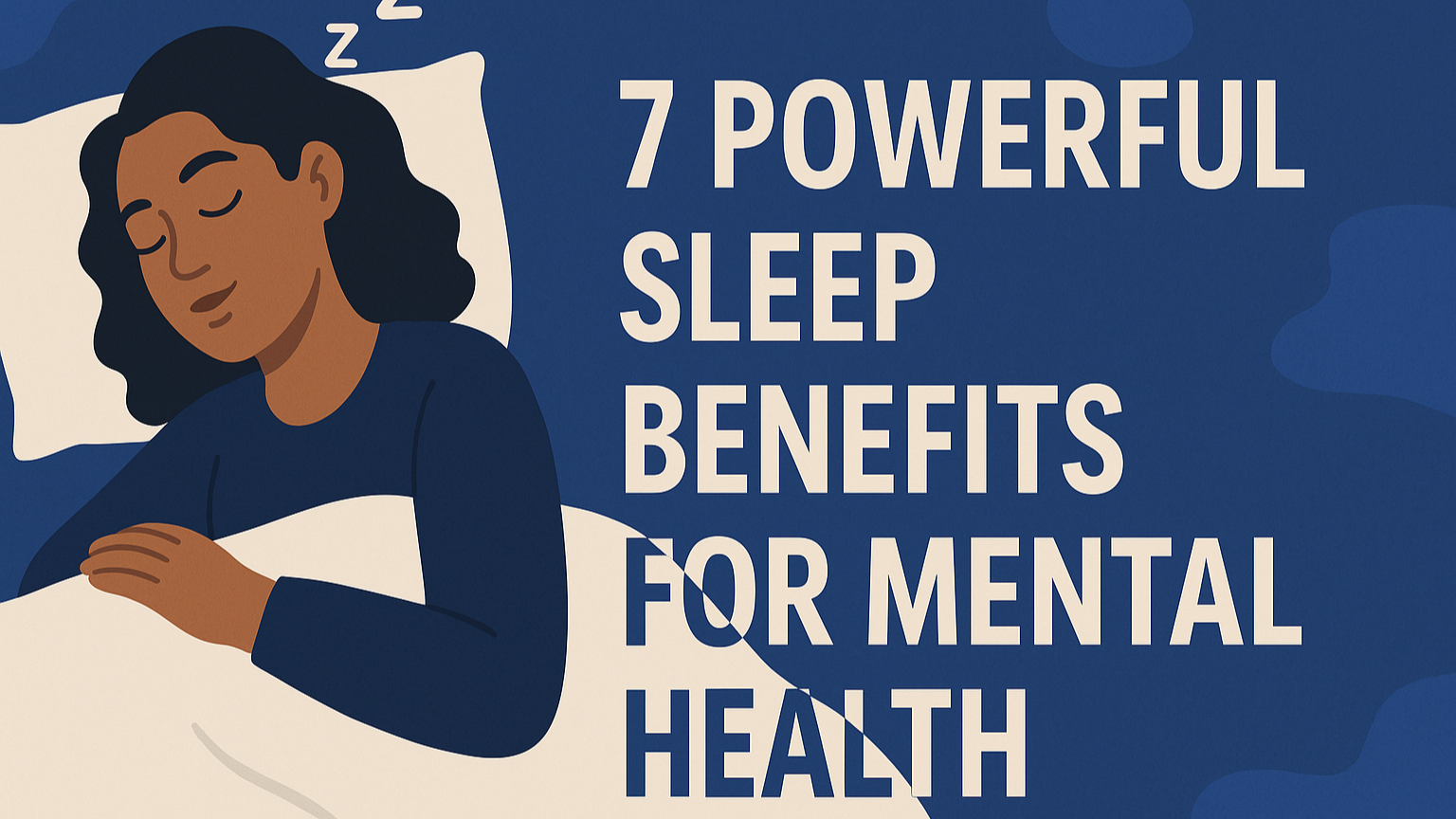
In today’s always-on world, sleep often gets sacrificed for work, entertainment, or endless scrolling. But skipping sleep isn’t harmless — it takes a serious toll on your physical and mental health.
This blog uncovers the importance of sleep and why getting enough rest is one of the best things you can do for your body and mind. In fact, the long-term sleep benefits extend to every major system in the body.
Table of Contents
Why Sleep Is Essential for Good Health
Sleep isn’t just downtime. It’s an active process where your brain and body heal, recover, and regulate crucial functions. Without enough of it, your immune system weakens, your mood suffers, and your risk for chronic diseases increases.
According to the CDC, adults need 7–9 hours of quality sleep each night. Yet more than one-third of adults consistently fall short. Understanding the science behind sleep benefits may help prioritize your rest routine.

Recommended Hours of Sleep by Age (CDC Guidelines):
These ranges help ensure proper development, recovery, and long-term health at every stage of life. Following these guidelines can help you experience the full range of sleep benefits.
| Age Group | Age | Sleep Recommended Daily |
| Newborn | 0-3 Months | 14-17 Hours |
| Infant | 4-12 Months | 12-16 Hours (inlcuding naps) |
| Toddler | 1-2 Years | 11-14 Hours (inlcuding naps) |
| Preschool | 3-5 Years | 10-13Hours (inlcuding naps) |
| School age | 6-12 Years | 9-12 Hours |
| Teen | 13-17 Years | 8-10 Hours |
| Adult | 18-60 Years | 7 or more Hours |
| Adult | 60 Years and Older | 7-8 Hours |
These are some of the Major Sleep Benefits for our Physical and Mental Heath for a good and Healthier Life:
1. Enhances Brain Function and Focus

Sleep helps your brain consolidate memories, regulate emotions, and stay alert during the day. Without proper rest, mental performance takes a hit. One of the most immediate sleep benefits is sharper thinking and better focus.
What Poor Sleep Can Lead To:
- Trouble concentrating
- Forgetfulness
- Sluggish reaction times
- Poor decision-making
Tip: Wake and sleep at consistent times — even on weekends — to support mental clarity.
2. Boosts Your Immune System
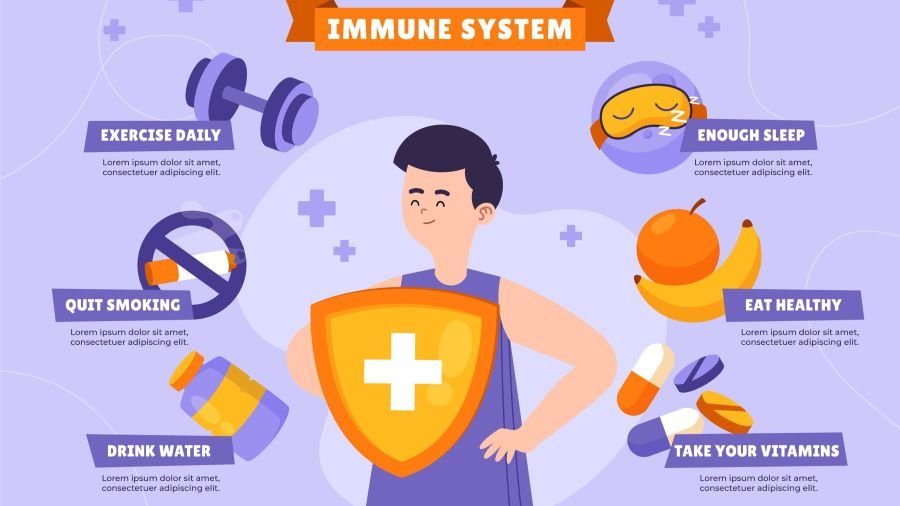
Your body produces protective proteins and immune cells during sleep. Lack of rest weakens this response, leaving you more prone to illness.
Those who sleep fewer than 6 hours per night are at a higher risk for colds, the flu, and infections. Long-term sleep benefits include a stronger and more responsive immune system.
Read More: CDC on Sleep and Immunity
3. Balances Hormones and Manages Weight
Sleep controls hormones like leptin and ghrelin, which regulate appetite. Poor sleep increases cravings for sugary, high-fat foods, often leading to weight gain.
Chronic sleep deprivation can also impact insulin sensitivity, increasing your risk of type 2 diabetes. When considering your weight management strategies, don’t overlook the sleep benefits of hormonal balance.
Pro Tip: Cut off caffeine and heavy meals at least 3 hours before bedtime.
4. Protects Heart Health

When you sleep, your heart and blood vessels get a break. Sleep lowers blood pressure and reduces inflammation, decreasing the risk of heart disease and stroke.
On the flip side, chronic sleep deprivation stresses your cardiovascular system, increasing the likelihood of heart issues. One of the lesser-known sleep benefits is improved vascular function.
5. Reduces Stress and Supports Emotional Stability

A full night’s sleep keeps cortisol (the stress hormone) in check. Without it, emotions run high and you’re more prone to anxiety or irritability.
Just one night of poor sleep can make everyday problems feel overwhelming. Emotional regulation is one of the essential sleep benefits for your mental wellness.
Quick Reminder: Rest supports a calm, resilient mind.
6. Helps with Muscle Recovery and Growth

Sleep triggers the release of growth hormones essential for tissue repair and muscle recovery. This is why athletes treat rest as part of their training.
Even the best diet or workout plan won’t deliver results if you’re not sleeping enough. Recovery and muscle-building are key physical sleep benefits. Here is complete guide on No Equipment Workout at home. click here
Fitness Tip: Aim for 8+ hours of quality rest if you’re physically active.
7. Boosts Mood and Fights Depression

Sleep and emotional health are closely linked. Sleep deprivation often leads to mood swings, sadness, or even symptoms of depression.
On the other hand, consistent rest helps regulate emotions, supports mental health, and makes it easier to handle stress.
Remember: Prioritizing sleep is a form of emotional self-care. One of the simplest sleep benefits is a better mood and mental clarity.
Are You Getting Enough Sleep?
Signs that your body needs more sleep include:
- Struggling to wake up
- Constant caffeine cravings
- Irritability or mood swings
- Trouble focusing
- Frequent illness
- Dark circles or dull skin
These red flags suggest your sleep schedule needs serious attention. Listen to your body to maximize the sleep benefits your system needs.
Actionable Tips for Improved Rest
- Keep a regular sleep-wake routine
- Turn off screens 1 hour before bed
- Avoid caffeine after mid-afternoon
- Build a relaxing pre-bedtime habit (reading, stretching, etc.)
- Make your bedroom dark, quiet, and cool
- Keep naps under 30 minutes
Even simple shifts in your routine can bring big improvements. Small changes can unlock huge sleep benefits.
Rest Well, Live Better: Your Sleep Advantage
Sleep is not just about feeling rested — it’s a foundation for long-term health and daily performance. From cognitive sharpness to emotional stability, every part of you thrives when sleep is prioritized.
Start building a healthier sleep routine today and feel the benefits unfold. Consistency leads to lasting sleep benefits for your body and mind.
FAQs About Sleep Benefits
Q1: How many hours of sleep are ideal for adults?
A: Most adults need between 7–9 hours of sleep each night for optimal health.
Q2: Can I catch up on sleep during weekends?
A: While sleeping in on weekends may help a bit, it doesn’t fully make up for lost sleep during the week. Regular sleep habits are more effective.
Q3: What’s the best time to sleep?
A: Aim to sleep during nighttime hours (typically between 10 PM to 6 AM) to align with your body’s natural circadian rhythm.
Q4: How can I tell if I’m not getting quality sleep?
A: Waking up tired, feeling groggy all day, mood swings, and trouble focusing are signs of poor sleep quality.
Q5: Do naps count toward total sleep?
A: Naps can be helpful, especially if you’re sleep-deprived. However, long or late naps may interfere with nighttime sleep.

Post Comment