Why You Have Muscle Imbalance & 6 Ways to Fix It Naturally
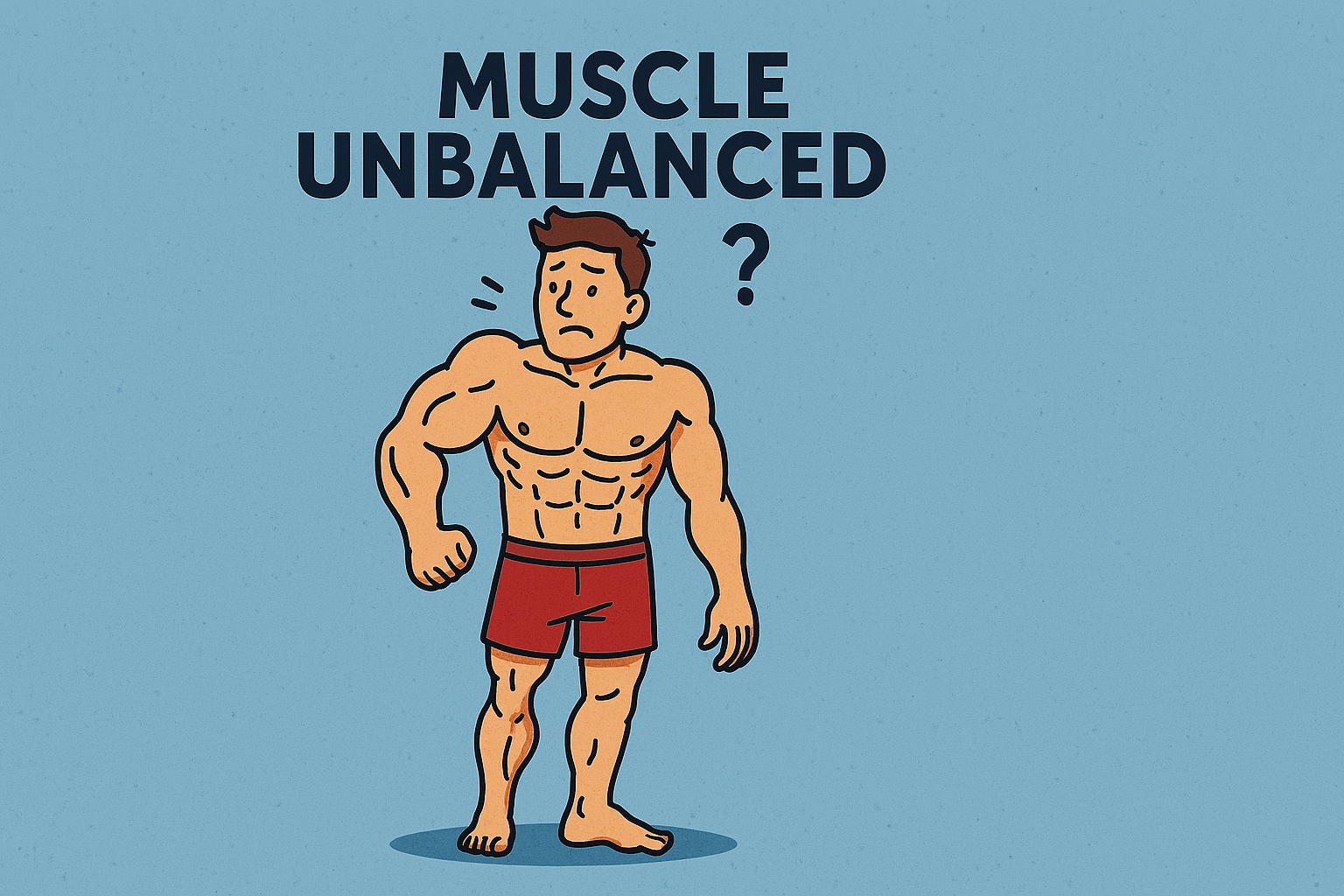
Muscle imbalance is something most people face at some point in their fitness journey. Whether you’re lifting weights, doing bodyweight exercises, or just trying to stay active, you might notice that one arm or leg is stronger, more stable, or better developed than the other. This is known as muscle imbalance.
In this article, you’ll learn what causes muscle imbalance, how to identify it, and simple exercises you can do to fix it naturally—without expensive equipment or complicated routines.
Table of Contents
What Is Muscle Imbalance?
A muscle imbalance happens when one side of your body is stronger or more developed than the other. This can be between the left and right sides, or between muscle groups—like stronger quads and weaker hamstrings.
Mild imbalances are common and often harmless. But if left unaddressed, they can lead to poor posture, slower progress, joint pain, or even injury. Learn More
Why You Might Have Muscle Imbalance
There are several reasons muscle imbalance occurs. Understanding the root cause is the first step to fixing it.
1. Dominant Side Overuse
Most people favor one side of their body, like using the right hand or leg more often. Over time, this side gets stronger and more coordinated than the other.
2. Poor Form During Exercise
Improper technique during workouts can shift more weight to your stronger side, reinforcing the imbalance.
3. Recovery After Injury
If you’ve had an injury, your body may naturally compensate by using the opposite side more, which can lead to uneven development.
4. Everyday Habits
Things like always carrying a bag on the same shoulder, crossing the same leg over the other, or leaning to one side while sitting can all contribute to imbalance.
5. Unbalanced Training
Focusing more on certain muscle groups—like chest over back or quads over hamstrings—can create structural imbalance in your body.
How to Identify Muscle Imbalance
You can check for muscle imbalance in a few simple ways:
- Visual Check: One arm, leg, or shoulder may look larger or more toned.
- Strength Test: You may be able to lift more weight or perform more reps on one side.
- Performance Issues: One side may feel less stable or coordinated during certain movements like lunges or presses.
- Posture Problems: You might notice uneven hips, shoulders, or a tilted posture.
How to Fix Muscle Imbalance Naturally
The most effective way to correct muscle imbalance is through unilateral training—exercises that focus on one side of the body at a time. This allows you to isolate the weaker side and bring it up to match the stronger side.
1. Single-Arm Dumbbell Press
What it helps: Shoulder and arm imbalance
How to do it:
- Sit or stand with a dumbbell in one hand.
- Press it overhead slowly, focusing on control.
- Start with your weaker side and match the reps with the stronger side.
Reps: 3 sets of 10–12 per arm
2. Bulgarian Split Squat
What it helps: Leg and glute imbalance
How to do it:
- Place one foot behind you on a bench or chair.
- Lower yourself down until your back knee nearly touches the ground.
- Push back up with your front leg.
Reps: 3 sets of 8–10 per leg
3. Single-Leg Glute Bridge
What it helps: Glutes and hamstrings
How to do it:
- Lie on your back with knees bent.
- Lift one leg off the floor and push your hips up using the other leg.
Reps: 3 sets of 12–15 per leg
4. Step-Ups
What it helps: Leg power and stability
How to do it:
- Step up onto a box or platform with one foot.
- Push through the heel to stand fully, then step down with control.
Reps: 3 sets of 10 per leg
5. Single-Arm Dumbbell Row
What it helps: Back and shoulder strength
How to do it:
- Place one hand and knee on a bench.
- Pull a dumbbell with the opposite arm toward your waist.
- Focus on squeezing your back muscles.
Reps: 3 sets of 10–12 per arm
6. Side Plank
What it helps: Core strength and balance
How to do it:
- Lie on one side and lift your hips off the ground, balancing on your elbow and feet.
- Hold and switch sides.
Hold time: 30 seconds each side for 2–3 rounds
Key Tips for Correcting Imbalance
- Start with the weaker side. Always begin each exercise with your weaker side and match reps on your stronger side.
- Train slowly and with control. Avoid using momentum; focus on mind-muscle connection.
- Use proper form. Poor technique often causes or worsens imbalances.
- Be consistent. Progress takes time, especially if the imbalance has developed over months or years.
- See Home Workouts Without Equipments. click here
How Long Does It Take to Fix Muscle Imbalance?
Minor imbalances can start improving in 2 to 4 weeks with regular training. More noticeable imbalances may take 6 to 8 weeks or longer. Progress depends on how consistently you train and whether you’re applying the right exercises and techniques.
How to Prevent Muscle Imbalance in the Future
- Include unilateral exercises in your weekly routine.
- Balance training across all major muscle groups.
- Stretch regularly and focus on mobility.
- Use mirrors or video to check and correct your form.
- Avoid repetitive movements that favor one side.
Frequently Asked Questions
Can I fix muscle imbalance at home?
Yes. Most of the exercises mentioned above can be done with minimal or no equipment at home.
Should I train the weaker side more?
You can give the weaker side more attention in your routine, but don’t overtrain it. Focus on quality reps and good form.
Is it normal to have a muscle imbalance?
Minor differences are common and usually not a concern. Larger imbalances should be addressed to avoid long-term problems.
Conclusion
Muscle imbalance is a common issue, but it’s also something you can fix naturally with the right approach. By including unilateral exercises, paying attention to your form, and focusing on your weaker side, you can bring your body back into alignment.
This not only improves your strength and performance but also helps reduce the risk of injury. Keep your routine balanced, stay consistent, and you’ll notice the difference over time.



Post Comment